
Answer engine optimization (AEO) and generative engine optimization (GEO) services are agency engagements that get a client cited inside AI answers from ChatGPT, Perplexity, Gemini, Claude, and Google AI. The ones that sell share one shape: a measured baseline, a monthly loop of fixes, and a report the client can read without you on the call.
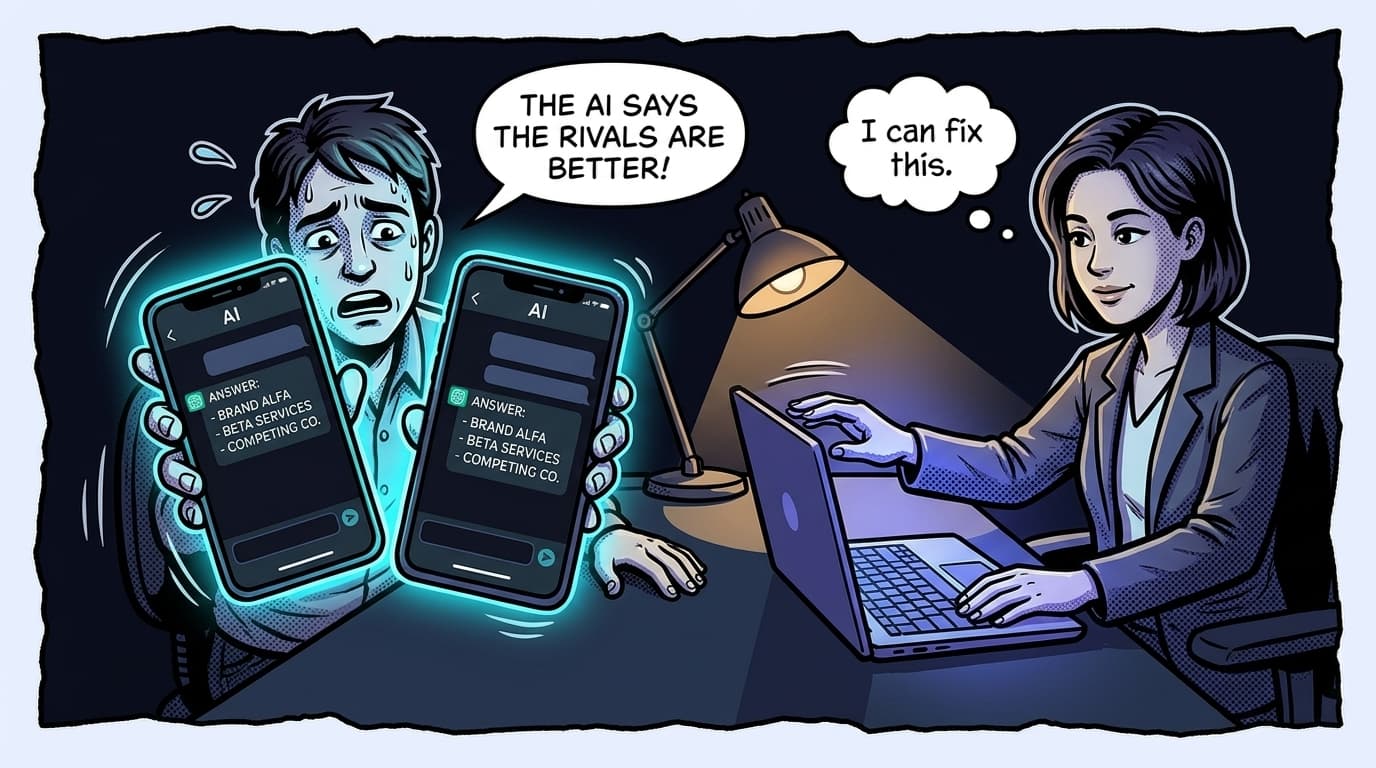
You do not have to create the demand. Clients type their brand into ChatGPT, dislike the answer, and forward it to you with a question mark. The work is mostly what a good SEO and content team already does. What is new is the scoreboard, the trust signal, and the reporting rhythm.
What Are Answer and Generative Engine Optimization Services?
A new scoreboard, not a new discipline.
AI answers are built from retrieved pages, so the SEO foundation still applies: crawlable, indexed, server-rendered HTML comes first. What changes is the trust signal. Third-party brand mentions correlate with AI visibility at about 0.66 to 0.71 across ChatGPT, AI Mode and AI Overviews, about three times the correlation of backlinks (Ahrefs, 75,000 brands, 2025).
That reshapes your scope. 85% of brand mentions in AI search come from sites other than the brand's own, brands are 6.5 times more likely to be cited through those third-party pages, and on unbranded discovery questions brands earn only about 2% of citations from their own domain (AirOps, 2026). A service that only touches the client's website is working on the small half. The big half is review sites, communities, listicles, and editorial coverage, so an agency already doing digital PR is closer to this than it thinks.
85%
of brand mentions in AI search come from sites other than the brand's own. On-page work alone is scoped to the smaller half of the problem. AirOps, 2026
How Do You Package Generative Engine Optimization Services?
The audit sells the problem. The retainer sells the maintenance.
Start with a one-off audit. Run the client's real buyer questions through each engine and hand back three things: their cited rate on non-branded questions with the denominator stated, a per-engine view of where they are invisible, and the named domains holding the slots they do not. That last list is what lands, because it is usually the first time a client sees the exact Reddit thread or comparison article beating them.
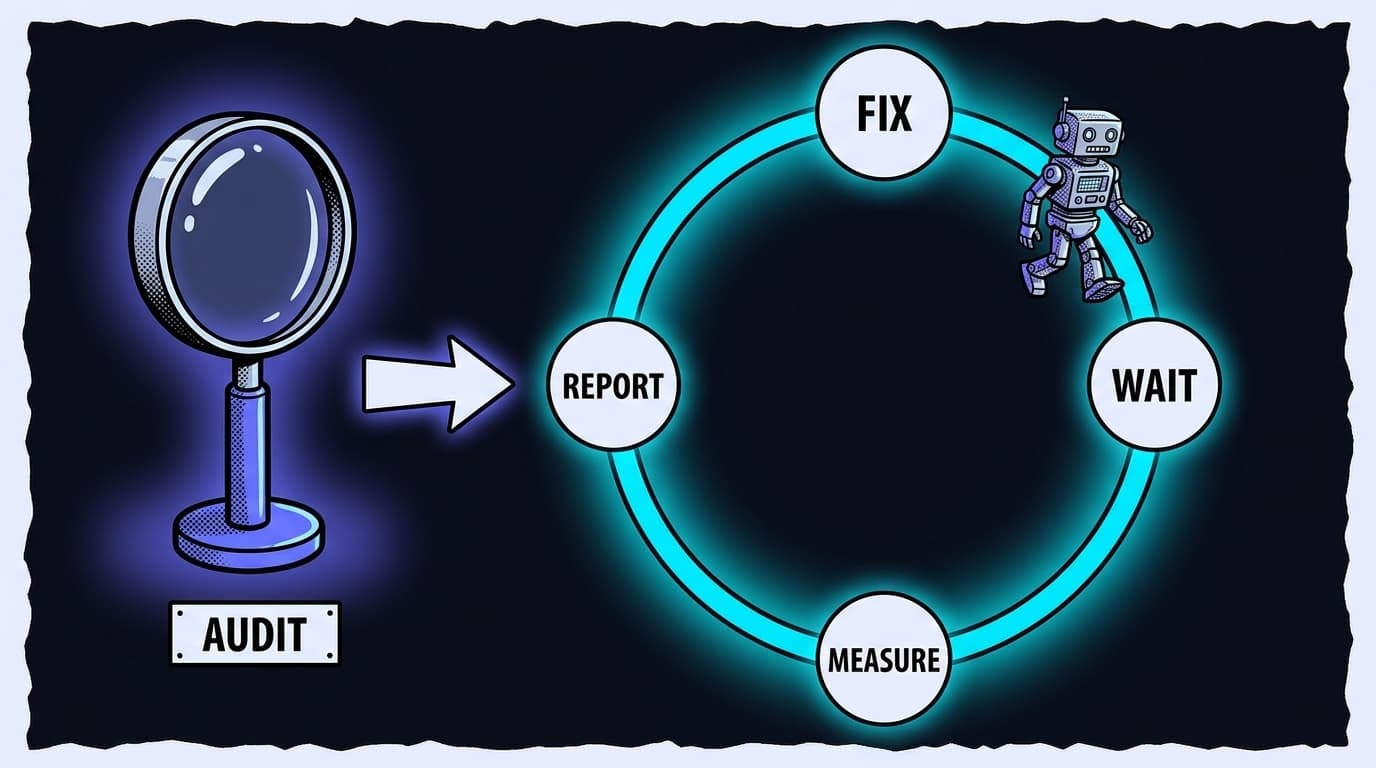
Then retain on the loop: fix, wait, measure, report, monthly. Price the audit on the depth of the baseline and the retainer on the off-page work you actually do each month, since that is where the hours go. Tracking software starts around $29 a month, so if your price is anchored to the tool, you have mispriced your labour.
Never sell it as a project with an end date. Cited domains churn 40 to 60% month to month (Profound, 2025). Pages not refreshed quarterly are about three times more likely to lose the citations they have (AirOps, 2026). That is the honest reason the work is ongoing.
What Should Be in a Monthly AEO Report?
The client never sees your process. They see the document.
Four things, in this order. Where they stand: the non-branded cited rate, denominator stated. What moved: per engine, with sample sizes. Who holds the slots they do not, by domain. And what you did and will do next, tied to those gaps. Everything else is decoration.
Keep brand-name questions in their own section. Being cited when someone types the client's own name is defence, not discovery, and blending the two inflates the number. Report noise honestly too: only about 30% of brands stay visible from one AI answer to the next (AirOps, 2026), so a single check can flip with nothing changed. A reading built from several samples per question is the one you can defend.
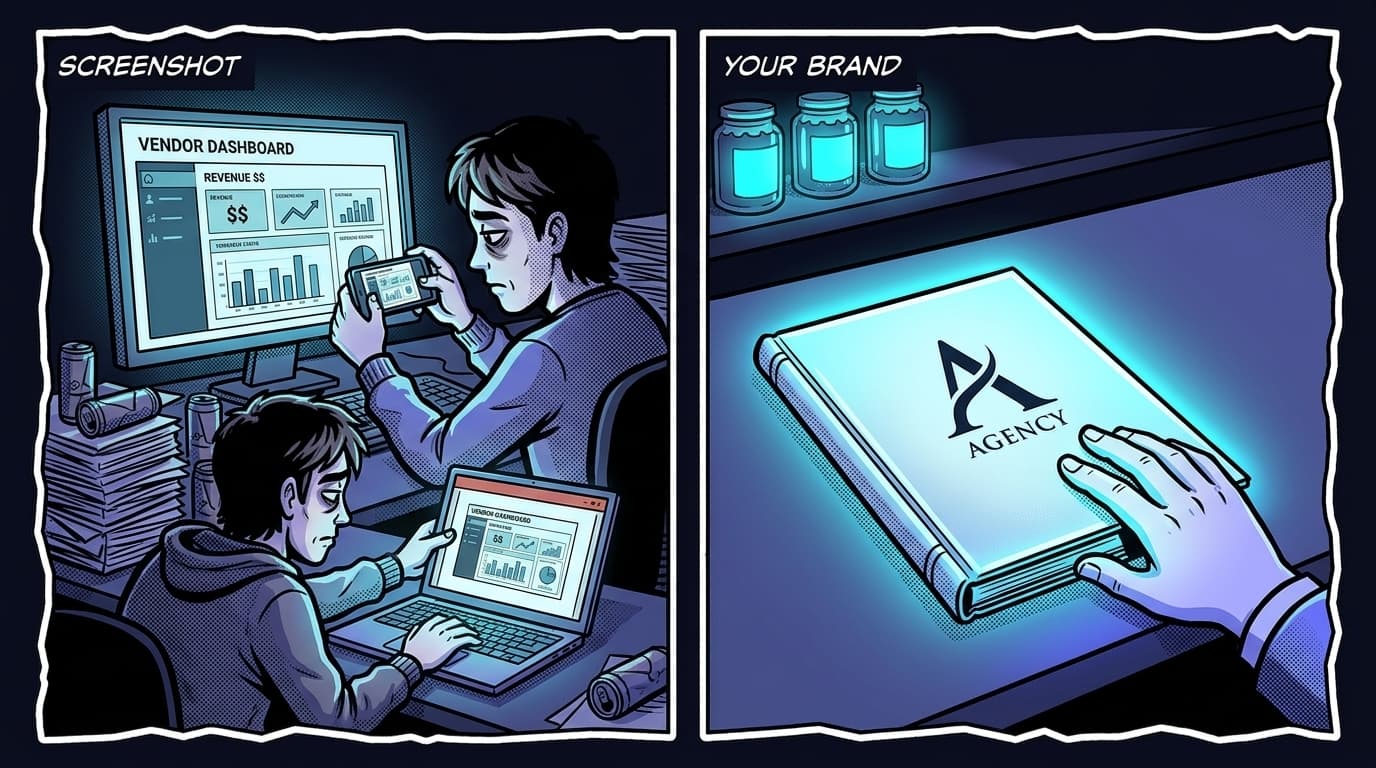
Produce it under your own brand. Screenshotting a vendor dashboard into slides is the tell that a service is not productized, and it quietly eats hours every month. To see the shape we think the document should take, read the client report inside our live demo account.
How Long Before AEO Work Shows Results?
Put the lag in the proposal, not the third status call.
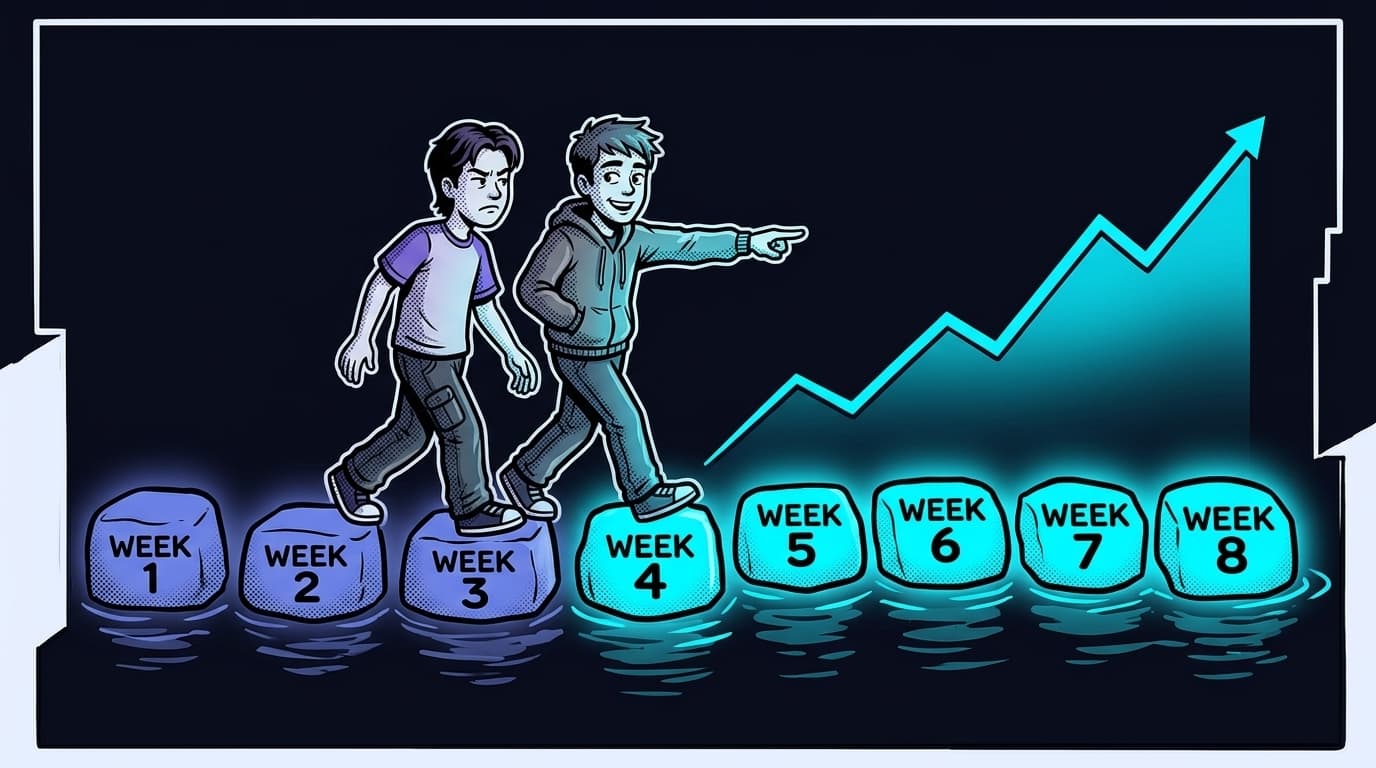
Expect four to eight weeks before movement is visible. On-page fixes can show once engines re-crawl, but third-party mentions have to be published, indexed, and retrieved first. Promising movement in month one means either disappointing the client or reporting noise as progress.
Two more lines belong in writing. Citations decay without maintenance. And a rising cited rate is a leading indicator, not revenue: if the client wants to know whether AI search sends buyers, connect the trend to their analytics. Weekly readings with several samples beat daily single checks, which mostly re-sample the same noise (we made the full case in weekly versus daily tracking).
Key takeaway
Three lines for every AEO proposal: movement takes four to eight weeks, citations decay without maintenance, and the cited rate is a leading indicator, not a revenue number.
How Do You Pitch AEO Services to an Existing Client?
Lead with their result, not the category name.
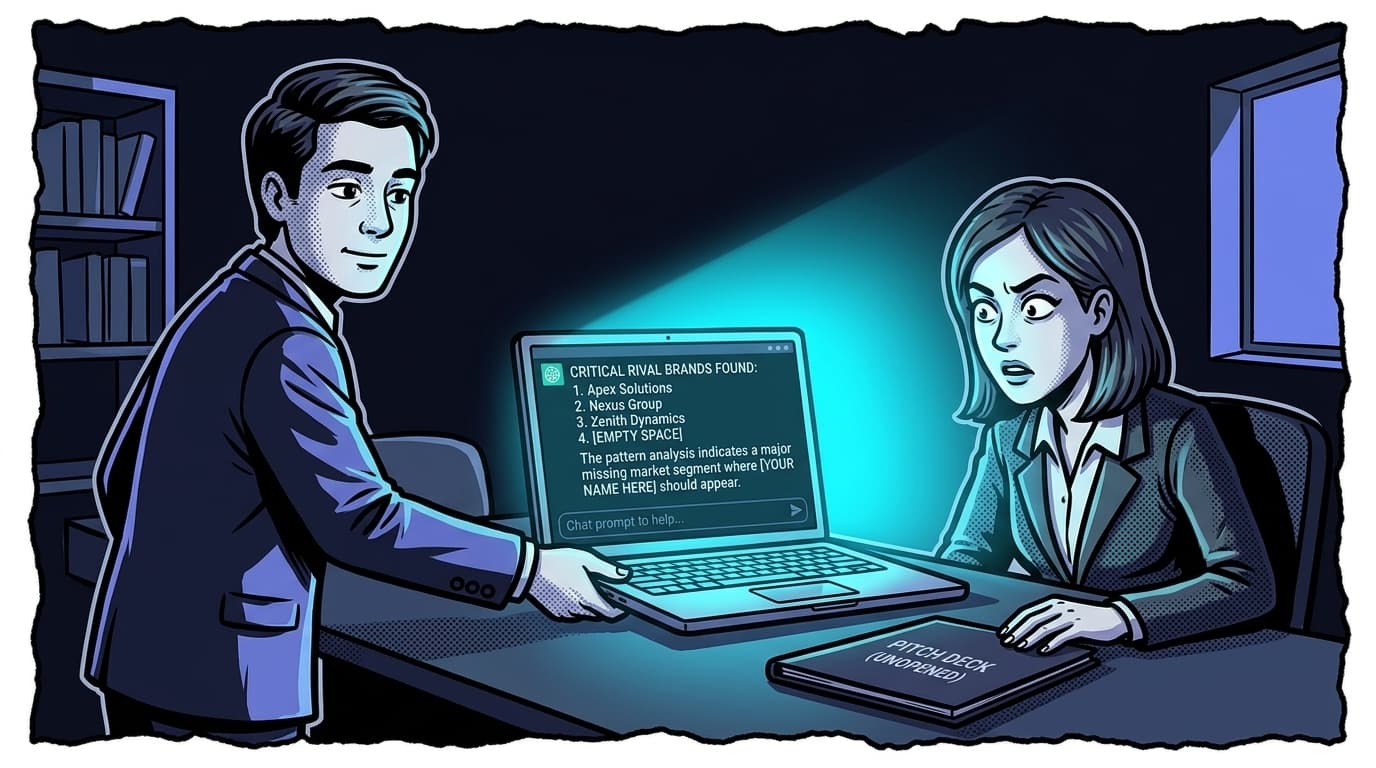
Before the meeting, run their category questions through the engines. Three competitors named in an answer where the client is absent does more in ten seconds than twenty minutes on how retrieval works. Then walk through where they stand per engine, who holds their slots, the first ninety days split into on-page and off-page work, the monthly report, and the timeline. For a ranked fix list, start from the AI citability playbook.
If you already sell conversion work, pair the two. AEO answers whether AI is sending buyers; CRO answers what happens when they land. One client, one coherent story.
Frequently asked questions
What are AEO and GEO services?
Agency engagements that get a client cited inside AI-generated answers from ChatGPT, Perplexity, Gemini, Claude, and Google AI. The work is a measured baseline per engine, on-page fixes so pages can be retrieved and quoted, off-page work to earn the third-party mentions most citations come from, and a monthly report showing what moved.
How do agencies price AEO and GEO services?
A one-off audit to set the baseline, then a monthly retainer. Price the audit on the depth of the baseline and the size of the fix list, and the retainer on the off-page work you actually do each month. Tracking software starts around $29 a month, so the price is your labour, not the tool.
What should be in a monthly AEO report?
Four things, in order: the non-branded cited rate with its denominator, what moved per engine with sample sizes, the domains holding the answer slots the client does not, and what you did and will do next against those gaps.
How long before AEO work shows results?
Four to eight weeks before movement is visible. On-page fixes can surface once engines re-crawl, but third-party mentions have to be published, indexed, and retrieved first. Put that timeline in the proposal.
Go deeper
For the tooling layer, see the best AEO tools in 2026. For how agencies use Radar specifically, see AI Radar for agencies, and for the audit side of the stack, white-label CRO audits.